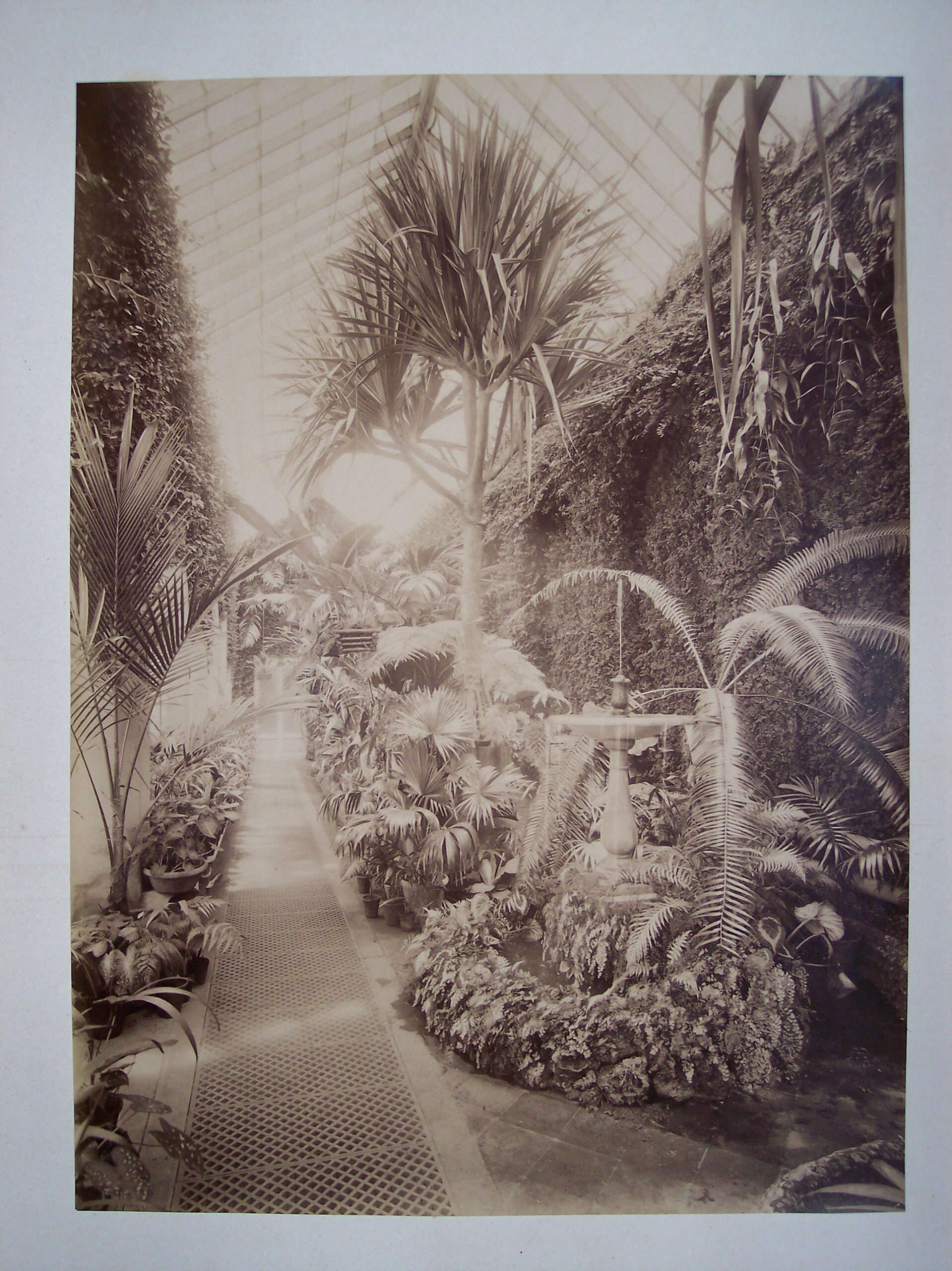
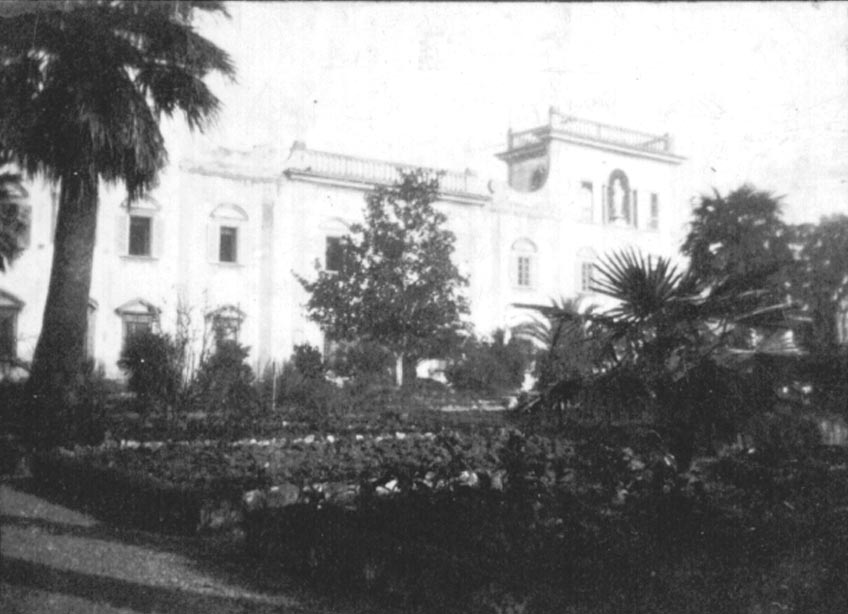
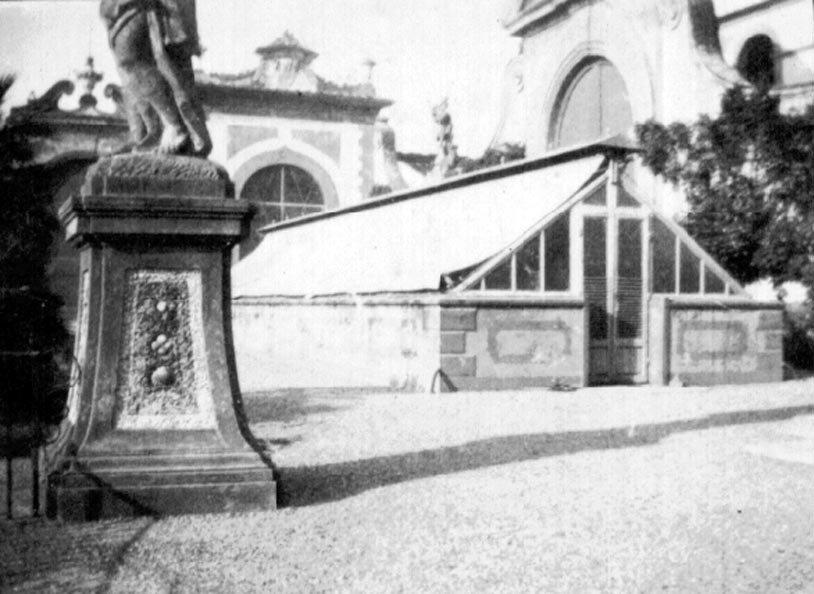
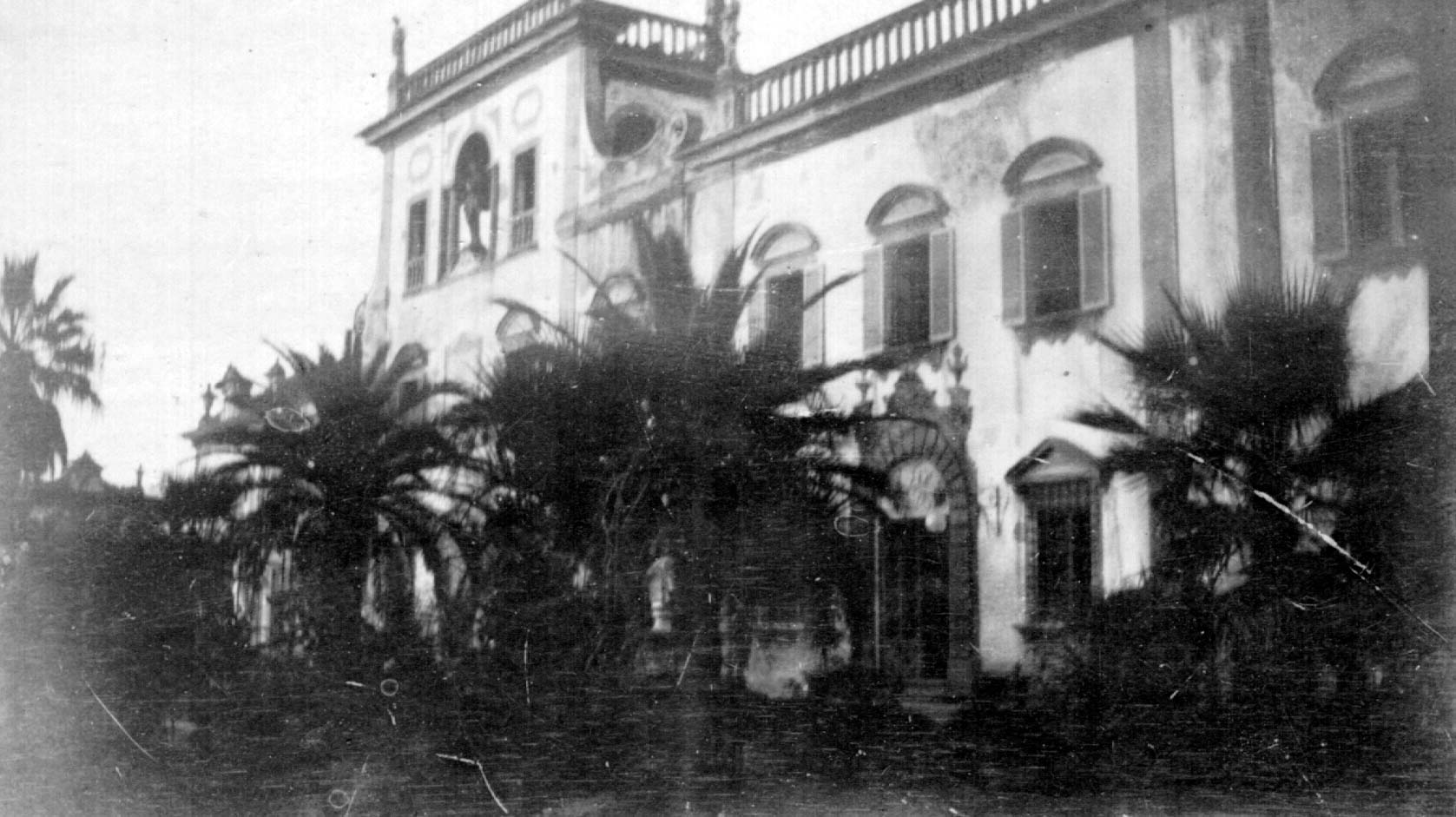
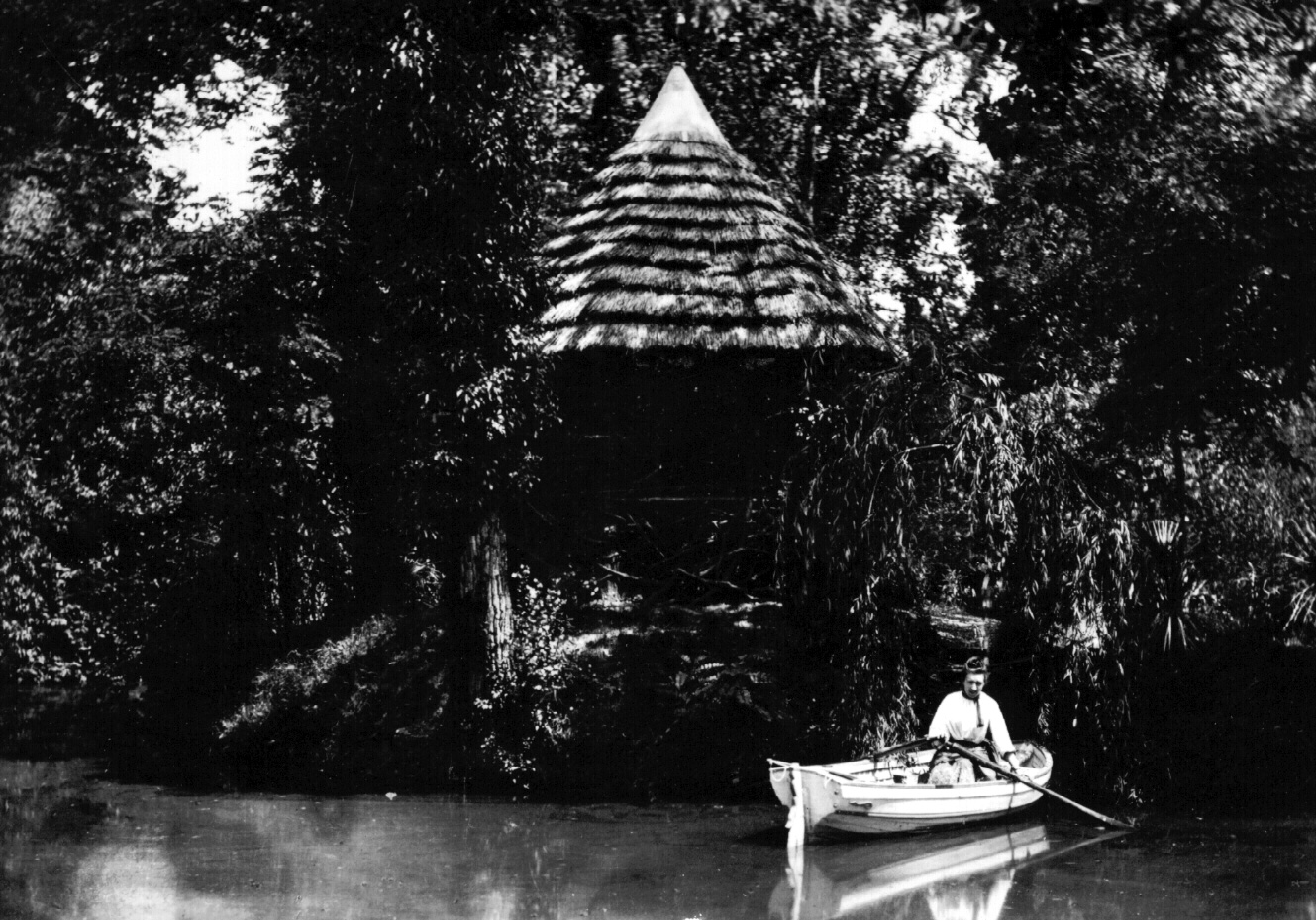
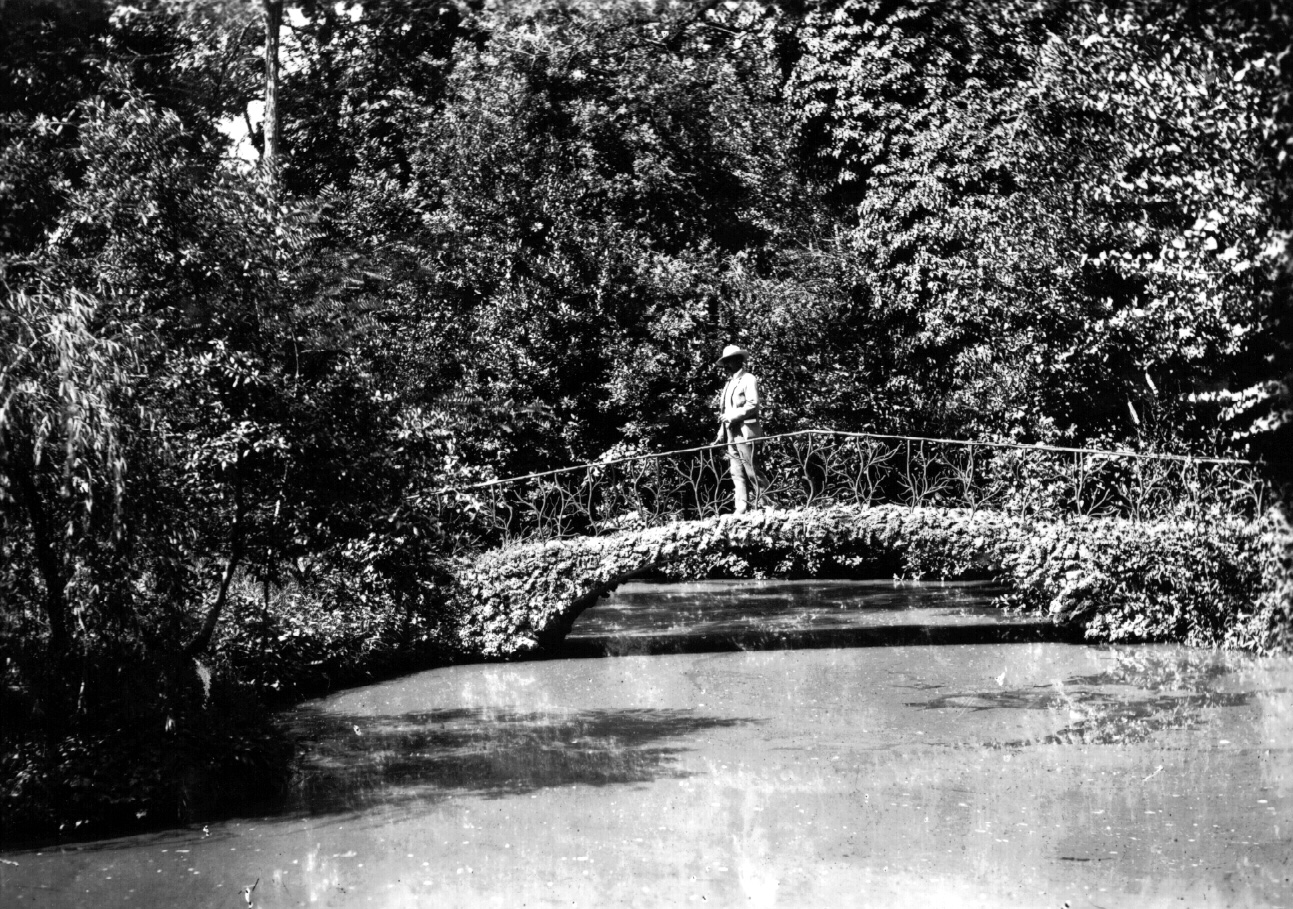
When Antonio died in 1743, his sons Giovanni and Cosimo Maria made no changes to the Villa and garden. Thus, the Villa at Sesto arrived at the beginning of the nineteenth century with this layout, when the new fashion and aesthetics of the English garden were spreading rapidly even in Florence. The first to create one was a Corsi marquis, Tommaso, who in 1790 bought the land in Via Romana in Florence and commissioned architect Giuseppe Manetti to design what can be considered the first English garden in Florence, the Giardino d’Annalena, realised between 1801 and 1810. After him, practically everyone followed suit, from the Serristori to the Corsini, from the Guicciardini to the Mozzi Bardini and the della Gherardesca, culminating in the masterpiece that is the garden of Marquis Pietro Torrigiani under the direction of Luigi de Cambray Digny. Even the garden at Sesto was remodelled in the new century with a radical makeover following this trend. In 1815, following the new taste for natural beauty, “the new mood sought after in nature, in the shade of the woods, the greenness of the lawns, the murmur of the streams, … the neglected beauty devoid of refinement”, the Baroque layout was complemented with the new addition of a large woodland area. Commissioned by Marquis Amerigo – Cosimo Maria’s son and grandson of Antonio who had carried out the extensive work in the mid-eighteenth century, and leaving the Baroque alterations overlooking the Villa unaltered, the new work concentrated on the area to the east, previously occupied by the wild meadow and garden, creating a vast landscaped garden with an artificial pond with an island and small bridge in the centre, a circular fountain nearby, and two hillocks: one near the lawn in front of the gallery, the other in the south-east corner, where a cave was also built to simulate the natural flow of water that fed the pond.
The Belvedere
The Belvedere is a viewpoint located at the extreme eastern corner of the boundary wall which provided a sweeping view of the countryside to the south-east of the Villa. It was reached by a small path hidden from view by a thick barrier of bushes, as if to isolate it from the rest of the woodland. It was in the nineteenth century that the concept of the garden as a place for contemplation and dreaming, not just for leisure and entertainment, became widespread, and a secluded place, albeit a small one, created the conditions for this spiritual escape.
The woodland and the pond
At the centre of the new design in the eastern part of the garden, there was placed an artificial pond with a small island, where a small rustic hut was built, reached by a small stone bridge with wrought iron handrails and gates. There were also small boats in the pond for romantic escapades and very brief excursions. Surrounding the pond is a dense wood of trees and bushes typical of Tuscan flora, particularly Mediterranean scrub, taken directly from the family’s vast estate in the Maremma region of Grosseto.